Be yourself; Everyone else is already taken.
— Oscar Wilde.
This is the first post on my new blog. I’m just getting this new blog going, so stay tuned for more. Subscribe below to get notified when I post new updates.
Be yourself; Everyone else is already taken.
— Oscar Wilde.
This is the first post on my new blog. I’m just getting this new blog going, so stay tuned for more. Subscribe below to get notified when I post new updates.
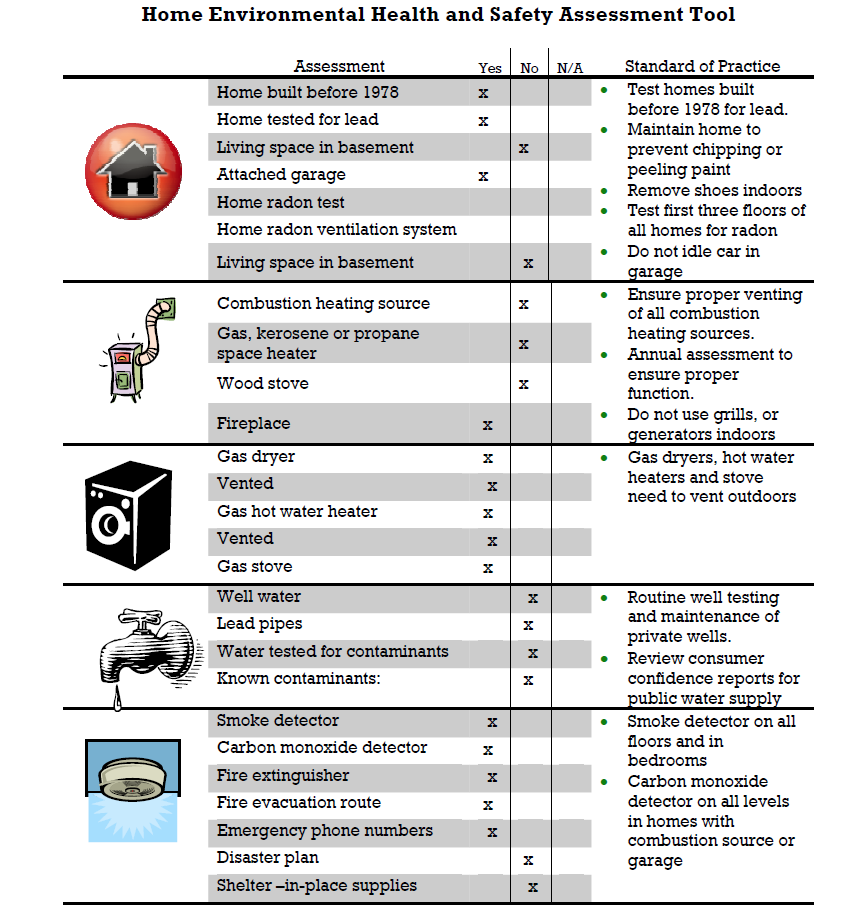
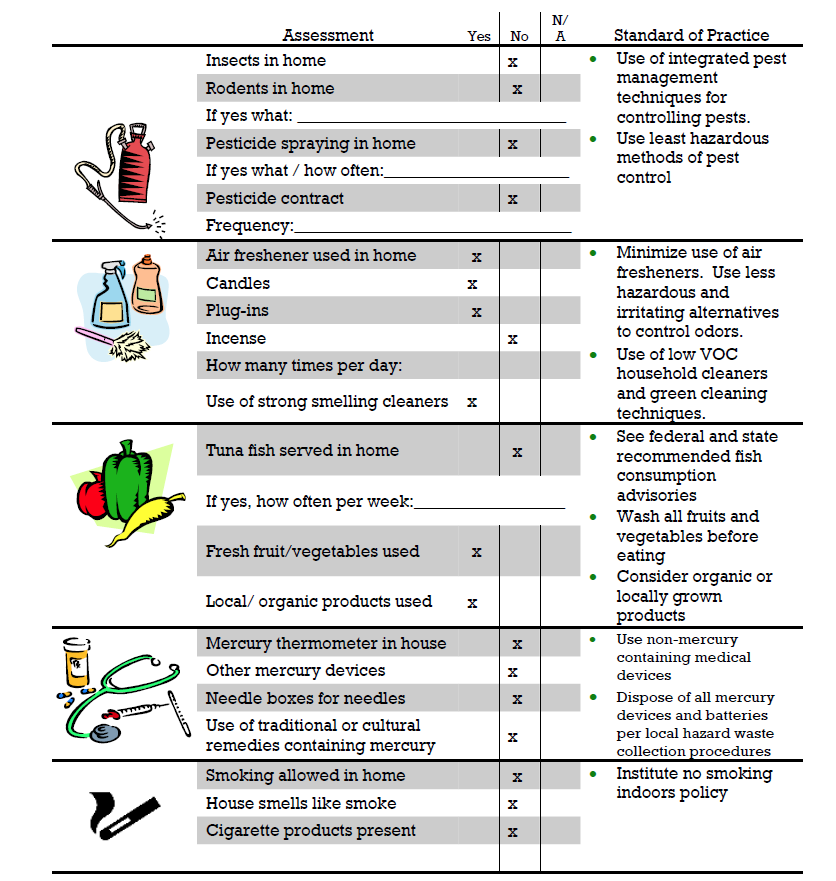
While completing this home assessment, I was surprised to see there were many environmental health risks in my house that I may not have thought of before this exercise. When I think about environmental risks, the first thing that comes to my mind is definitely not my dryer. I also don’t pay much mind to the candles I light everyday upon arriving home from work. In the home assessment it asked about the age of the home, and this could be for several reasons. the first being that homes built before 1978 may contain high levels of lead (lead based paint). The federal government banned such paint in 1978, but older homes may still have traces of it both inside and outside. Many older homes may also have lead pipes which can be very hazardous. Asbestos was also used in homes prior to 1979, and that also poses a health risk to living in an older home. My current home does not have a basement, however there are certain risks that are present for those that do have a live-in basement. These risks include mold, radon, lack of ventilation, and dust/other allergens. When it comes to many home-based environmental health risks, the homeowners are responsible for knowing and understanding what causes such risks and how to mitigate them. It is important to understand the importance of proper ventilation and how chemicals may affect anyone living in the house. However, it is not the sole responsibility of homeowners. Local entities have the responsibility to be proactive and transparent in their efforts to mitigate certain health risks posed to a community.
This is an example post, originally published as part of Blogging University. Enroll in one of our ten programs, and start your blog right.
You’re going to publish a post today. Don’t worry about how your blog looks. Don’t worry if you haven’t given it a name yet, or you’re feeling overwhelmed. Just click the “New Post” button, and tell us why you’re here.
Why do this?
The post can be short or long, a personal intro to your life or a bloggy mission statement, a manifesto for the future or a simple outline of your the types of things you hope to publish.
To help you get started, here are a few questions:
You’re not locked into any of this; one of the wonderful things about blogs is how they constantly evolve as we learn, grow, and interact with one another — but it’s good to know where and why you started, and articulating your goals may just give you a few other post ideas.
Can’t think how to get started? Just write the first thing that pops into your head. Anne Lamott, author of a book on writing we love, says that you need to give yourself permission to write a “crappy first draft”. Anne makes a great point — just start writing, and worry about editing it later.
When you’re ready to publish, give your post three to five tags that describe your blog’s focus — writing, photography, fiction, parenting, food, cars, movies, sports, whatever. These tags will help others who care about your topics find you in the Reader. Make sure one of the tags is “zerotohero,” so other new bloggers can find you, too.

 Site Title